

The battle for attention in internet gaming is brutal. Developers typically use dazzling visuals or nonstop promotion. But a different pattern is taking shape. Genuine long-term success doesn’t come from a gimmick. It originates from a straightforward notion: put the player first. People call this a “gamer-first” approach. It means clear regulations, fair play, and having the community shape a game’s growth, instead of going after short-term gains. The UK market, famous for its astute players and tight oversight, shows this perfectly. Consider the Big Bass Crash game. Its ascent is no accident. It’s an obvious lesson. When a game’s design aligns with what players truly value, it fosters a loyal fanbase. This synergy is transforming what players want. It demonstrates that in today’s digital world, the smartest strategy is to make the player the priority.
Decoding the “Player First” Mindset in Gaming
“Players First” is more than a catchphrase. It’s a blueprint that defines a product from the ground up. It touches how the title functions, how the studio communicate with customers, and how it evolves over time. The old model viewed users as buyers. The new paradigm treats them as allies. This partnership demands fair mechanics, not gimmicks that prey on human nature. It needs transparent, upfront disclosures on any currency wagered. And it involves heeding when users give input. In regions like the UK, with robust consumer laws, this mindset fits naturally with both the law and the domestic environment. For a game like Big Bass Crash, it’s about building confidence through consistent structure. The fun should arise from the product itself, not from obscured odds or a pressure to keep spinning. The outcome is a more sustainable setting that helps everyone.
The Simple Strategy That Gives Players Control
Big Bass Crash draws strength from a straightforward concept. This simplicity, oddly enough, leads to serious involvement. Users aren’t required to learn complicated regulations, symbol charts, or extensive payout tables. The whole experience boils down to a single, crucial decision: pressing the “Cash Out” control prior to the multiplier collapsing. This sharp concentration gives power to the gamer. They alone are accountable for their decision, based on their own risk tolerance. It creates a palpable pressure, a direct connection between decision and result. This feeling of control is central to the Player First idea. By paring down the gameplay to just one clear, player-controlled bet, the title values the player’s freedom and judgment. A success feels like a personal achievement. A setback seems like a familiar gamble, not a confusing malfunction in the system.
How Big Bass Crash Represents Core Player-Centric Values
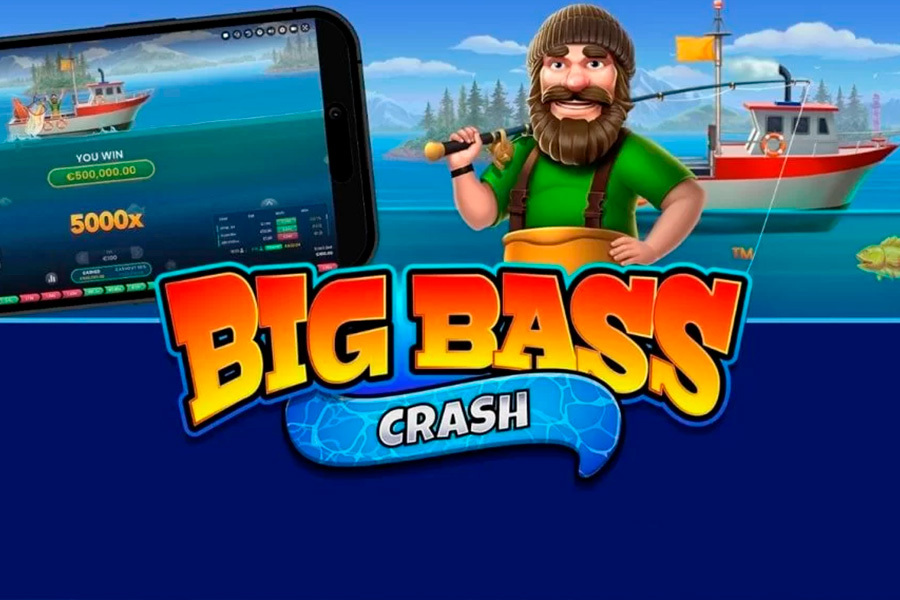
Big Bass Crash puts its player-first rhetoric into action through particular design choices https://bigbasscrash.eu/. The main game mechanic is a multiplier that ascends a curve until a random “crash” takes place. Aesthetically, it’s simple. Players understand the risk and reward immediately. There are no hidden mini-games or confusing bonus features to cloud the waters. This clarity is essential. The game also avoids elaborate stories or complex leveling systems that might coerce players into longer sessions. Every round is a fresh opportunity. The player chooses when to play and for how much time. A clear, intuitive interface stays unobtrusive. The focus stays on that one strategic option: when to cash in. This design respects the player’s discernment. It presents a tool for enjoyment, not a maze created to capture and maintain attention.
Establishing a Network Focused on Collective Experiences
The experience of Big Bass Crash extends past a single player’s screen. It establishes a Player First world by creating shared moments, which are crucial for a game’s lifespan. The format is social by nature. Multiple players experience the same climbing multiplier curve, feeling the collective buzz as the numbers rise. This naturally sparks conversation. People discuss tactics and celebrate or groan over a crash together. Online platforms and live streams amplify this effect, transforming a solo game into a group spectacle. Developers and the sites featuring the game often foster this. They highlight major wins and make space for players to interact. This community work changes the game. It moves beyond being just software and turns into a social spot. The value isn’t only in a potential payout, but in belonging to a group’s exciting moment.
What makes the British market is Particularly Receptive
The UK’s internet casino market is among the most mature and heavily supervised anywhere. This has created a user group that is both well-protected and very discerning. A history of regulatory changes have educated players about their rights and what fair, ethical design involves. They are swift to reject games that feel deceptive or hide information. Big Bass Crash, with its clear mechanics, focus on controlled choices, and seamless integration with safe gambling tools, fits perfectly into this ecosystem. It meets regulatory demands not as a bureaucratic chore, but as a core design principle. Its growing popularity indicates a market selecting a preference. Players are opting for a product that aligns with their beliefs. They favor direct, engaging, and respectfully made games over those that depend solely on glitzy gimmicks or habit-forming loops.
Openness and Fairness as Essential Pillars
UK users, shaped by stringent rules from the UK Gambling Commission, don’t see transparency as a perk. They see it as a necessity. Big Bass Crash satisfies this demand head-on. The unpredictability of each crash is confirmable and protected. The game typically utilizes approved Random Number Generator (RNG) mechanisms that undergo regular audits. It does not assert to be a skill game where it isn’t. Rather, it offers itself fairly as a game of luck with one defined point of strategy. This honesty fosters a name. Gamblers can interact understanding the game’s soundness is a focus, which is a bedrock of controlled play. The opposite tactic—a sense that consequences are fudged or unclear—destroys confidence fast. It’s a trap the product’s developers meticulously sidestep.
Ethical Gaming Integration in Design
A genuine Player First philosophy must actively support responsible play. Here, the actual structure of Big Bass Crash includes built-in safeguards. The game is built on compact, individual rounds. This generates natural stopping points, unlike the unending, automated loops of some video slots. Trustworthy UK platforms enhance this by including necessary tools like deposit limits, session timers, and easy links to support services such as GamStop and GamCare. The game’s clear design also aids with self-awareness. Because the main action is a solitary, deliberate cash-out decision, users might remain more mindful of their wagers compared to the fast, automated play of alternative genres. This design illustrates that ethical play can be part of the game’s core, not just a afterthought in the small print.
Comparative Analysis: Player First vs. Traditional Models
Pitting the Player First model versus older game designs illustrates why it’s gaining traction. Many traditional games, notably in the online casino industry, use strategies designed to keep players hooked on the screen and spending continuously, sometimes without their full knowledge.
- Complexity vs. Simplicity: Classic slot machines might offer complicated bonus games and dozens of paylines that are hard to track. Big Bass Crash presents one simple mechanic.
- Control: Games with auto-play and quick-spin options can make the player a passive observer. Big Bass Crash demands a manual, conscious choice for every single result.
- Openness: Some games conceal their Return to Player (RTP) percentages or feature extreme variance. The crash game model offers an immediately comprehensible, though uncertain, risk profile.
- Shared Experience: Plenty of games are lonely endeavors. The crash format naturally builds a shared, live experience.
The Future of Gaming: An Enduring Transition Toward the Player
The warm reception for Big Bass Crash’s approach in regions such as the UK suggests a bigger, lasting shift for the industry. As players become more informed and governing bodies enforce stricter regulations, the commercial rationale for unethical or exploitative design diminishes. The future points toward games designed for sustainable engagement, where confidence and fun are the primary instruments for keeping players. We are likely to see more innovation in clear mechanics, enhanced social and community tools, and even more seamless integration of responsible gaming tools within the game experience. Games that adopt the Player First framework, valuing long-term community over immediate profit, are set to define this next era. They reveal a core principle. The best way to develop a thriving game is to genuinely respect the mind, autonomy, and well-being of the individual using the device.